Home Energy Carbon Calculator
Home Energy Carbon Calculator
Estimate the annual carbon footprint of your household energy use (electricity + heating fuels) based on global average emission factors.
Home Energy Carbon Calculator: Estimate Your Household Carbon Footprint Accurately
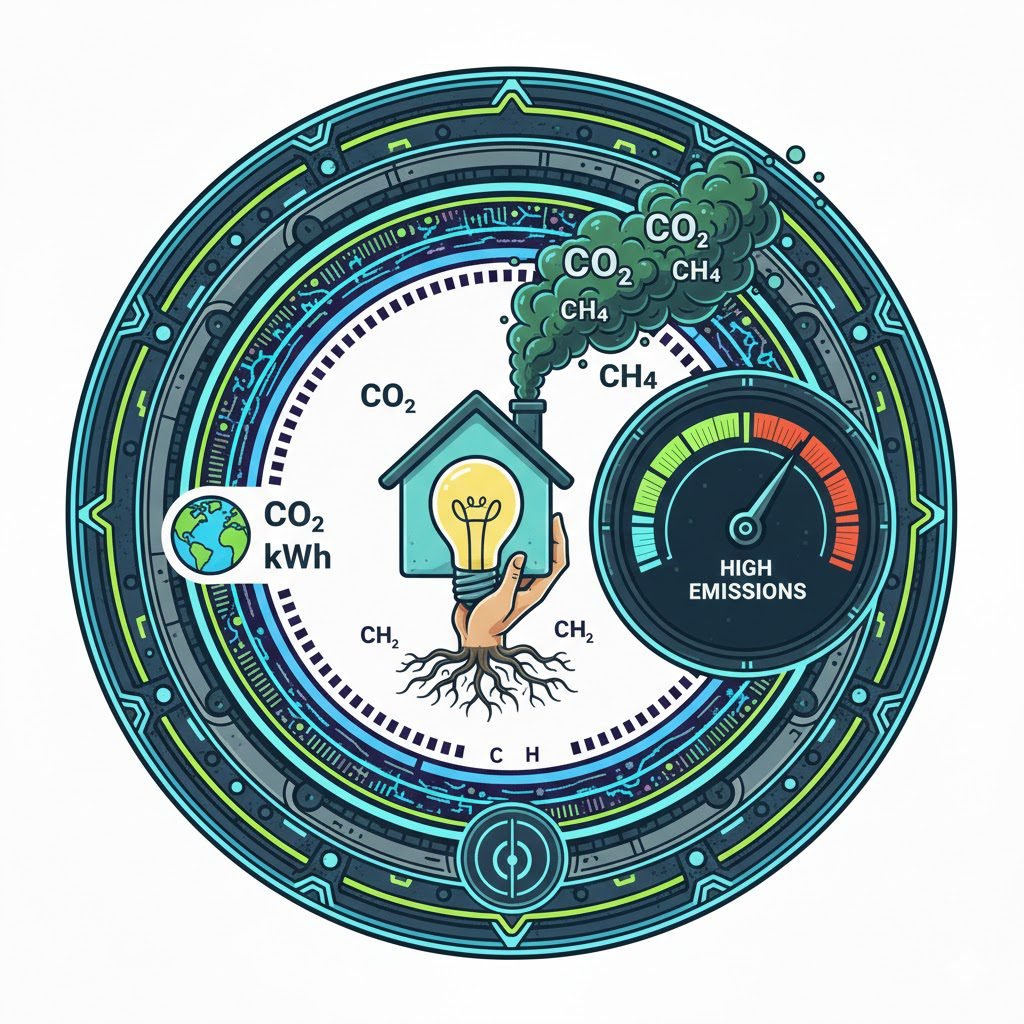
Understanding your household’s carbon footprint is no longer optional—it’s essential. The Home Energy Carbon Calculator empowers homeowners to estimate the annual carbon emissions from their electricity and heating usage, helping them make smarter, environmentally conscious choices. Whether you’re trying to reduce your energy bills, adopt sustainable habits, or simply understand how your lifestyle impacts the planet, this tool provides clear, actionable insights.
Imagine opening your monthly electricity bill and wondering: “How much CO₂ did my home just contribute to the atmosphere?” This calculator translates your energy consumption into real-world carbon terms, showing exactly how everyday habits affect the environment—and even how many trees it would take to offset your footprint.
How the Home Energy Carbon Calculator Works
Our calculator is designed to be simple yet scientifically accurate. Here’s a step-by-step breakdown:
1. Input Fields
-
Electricity Consumption (kWh/year): Enter your annual electricity usage.
-
Electricity Source (Grid Mix): Select the mix powering your home, such as Global Average, Coal-Dominated, or Renewable-Heavy. Each option has a specific emission factor (kg CO₂e per kWh).
-
Heating Fuel Type: Choose the fuel type used for space or water heating: Natural Gas, Heating Oil, LPG, Wood/Biomass, or None.
-
Heating Fuel Amount: Enter the volume or weight depending on fuel type (e.g., m³ for gas, liters for oil, kg for wood).
2. How Calculations Are Done
The calculator uses internationally recognized emission factors:
-
CO₂ from electricity:
-
CO₂ from heating fuel:
-
Total Annual CO₂ Emissions:
-
Trees Needed to Offset:
(On average, a mature tree absorbs ~22 kg CO₂ per year.)
3. Output and Interpretation
Once calculated, the tool provides:
-
Annual electricity use and grid mix
-
Heating fuel type and amount
-
CO₂ emissions from electricity and heating
-
Total annual CO₂ and impact level (Low, Moderate, High)
-
Estimated trees required to offset your footprint
The tool also offers practical advice for reducing emissions, such as energy-efficient appliances, switching to renewable electricity, and home insulation tips.
Why Understanding Your Home’s Carbon Footprint Matters
Energy use in homes is a major contributor to global CO₂ emissions, often accounting for 25–30% of a household’s total environmental impact. By quantifying this in kilograms of CO₂ per year, homeowners can:
-
Identify high-impact areas for improvement
-
Set measurable goals for emission reduction
-
Compare different energy choices (e.g., switching to solar or upgrading heating systems)
-
Make environmentally conscious decisions that also save money
Step-by-Step Examples
Let’s look at a few practical scenarios.
Example 1: Average Electric Home
-
Electricity: 5,000 kWh/year
-
Grid: Global Average (0.475 kg CO₂/kWh)
-
Heating: None
Calculation:
Impact: Moderate
This example shows that even without heating, electricity consumption alone contributes significantly to emissions.
Example 2: Home with Natural Gas Heating
-
Electricity: 4,000 kWh/year
-
Grid: EU Average (0.28 kg CO₂/kWh)
-
Heating: Natural Gas, 1,500 m³
Calculation:
Impact: Moderate
Shows how heating can dramatically increase total emissions.
Example 3: Renewable-Energy Focused Home
-
Electricity: 3,500 kWh/year
-
Grid: Renewable-Heavy (0.05 kg CO₂/kWh)
-
Heating: LPG, 500 liters
Calculation:
Impact: Low
Demonstrates how renewable electricity significantly reduces the household carbon footprint.
Practical Tips for Reducing Household Carbon Emissions
-
Switch to renewable electricity: Solar, wind, or hydro can reduce electricity-related CO₂ by up to 90%.
-
Upgrade heating systems: Heat pumps are much cleaner than fossil fuel heating.
-
Improve insulation and energy efficiency: Sealing leaks, using LED lighting, and efficient appliances save energy and money.
-
Monitor consumption: Regularly check your electricity and fuel usage to track improvements.
For deeper insights, check related tools like the Biogas Production Estimator or Carbon Sequestration Calculator to explore alternative carbon offset strategies.
FAQs
Q1: Can this tool give exact carbon emissions for my home?
A1: The calculator provides estimates based on global emission factors. Actual emissions may vary depending on local electricity mix and appliance efficiency, but the results are highly useful for understanding relative impact and identifying improvement areas.
Q2: How can I reduce the number of trees needed to offset my carbon footprint?
A2: Reducing electricity and heating fuel use, switching to renewables, and upgrading to energy-efficient appliances can significantly lower emissions, reducing the number of trees required to offset your footprint.
Q3: Does the tool account for seasonal energy fluctuations?
A3: The calculator uses annual energy totals. To account for seasonal variation, enter the estimated yearly consumption based on your bills or smart meter readings.
Conclusion
The Home Energy Carbon Calculator is more than a tool—it’s a practical guide to understanding and reducing your home’s environmental impact. By entering electricity and heating data, you can:
-
See how your daily energy choices translate into carbon emissions
-
Identify high-impact areas for reduction
-
Get actionable tips for energy efficiency and sustainability
Start testing different scenarios today, explore related calculators like the Fossil Fuel Energy Loss Calculator, and take control of your household carbon footprint. Small changes today can lead to significant environmental impact tomorrow.