Vegetable Weight Loss Calculator
Vegetable Weight Loss Calculator
Estimate cooked weight from raw vegetables (or raw from cooked) – accounts for water loss during boiling, steaming, roasting, etc.
How to Accurately Estimate Cooked Vegetable Weight
When you’re preparing a healthy meal, it’s easy to misjudge how much vegetables will weigh after cooking. That’s where the Vegetable Weight Loss Calculator comes in. Whether you’re boiling spinach for a salad, roasting sweet potatoes for dinner, or steaming broccoli for a side dish, this tool helps you predict the final cooked weight based on water loss during cooking. This isn’t just about numbers—accurately estimating weight ensures you plan portions, track calories, and avoid waste.
Cooking vegetables changes their weight primarily due to water evaporation or release. Leafy greens like spinach can shrink dramatically, while root vegetables like carrots and potatoes retain more of their mass. Using this calculator, you can convert raw weight to cooked weight, or vice versa, for precise meal planning.
How Does the Vegetable Weight Loss Calculator Work?
The calculator uses simple logic based on typical water loss percentages for different vegetables and cooking methods. Here’s how it works:
-
Input your weight: Enter the weight of your vegetables in grams, kilograms, ounces, or pounds.
-
Select the direction: Choose whether you want to convert raw → cooked or cooked → raw.
-
Choose vegetable type or cooking method: Options include leafy greens, root vegetables, mixed vegetables, or custom loss percentages.
-
Adjust weight loss percentage if needed: Default values account for typical cooking loss (10–35%), but you can enter a custom percentage.
The calculation formula is straightforward:
-
Raw → Cooked:
cookedWeight = rawWeight * (1 - lossPercentage / 100) -
Cooked → Raw:
rawWeight = cookedWeight / (1 - lossPercentage / 100)
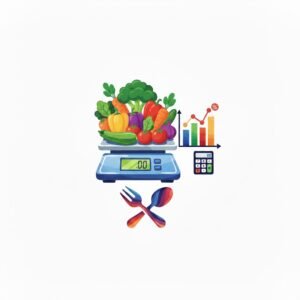
The tool also displays the absolute weight lost and highlights the key result for easy reading.
Why Do Vegetables Lose Weight During Cooking?
Vegetables are largely water, and cooking methods affect how much water is lost:
-
Boiling: Often results in higher water loss (20–35%). Leafy greens shrink dramatically, while root vegetables lose less.
-
Steaming: Moderate weight loss (15–25%), preserving more nutrients.
-
Roasting: Weight loss varies (20–40%), depending on time and temperature.
-
Microwaving: Minimal water loss (≈10–15%) due to quick cooking.
These differences make the calculator invaluable for anyone tracking dietary intake, preparing meals for family, or experimenting with new recipes.
Step-by-Step Examples of Using the Calculator
Example 1: Boiled Spinach
-
Raw weight: 500 g
-
Cooking method: Boiled (leafy greens, 15% loss)
-
Calculation:
500 * (1 - 0.15) = 425 gcooked weight
Example 2: Roasted Sweet Potatoes
-
Raw weight: 1 kg
-
Cooking method: Roasted (30% loss)
-
Calculation:
1000 * (1 - 0.30) = 700 gcooked weight
Example 3: Converting Cooked Broccoli Back to Raw
-
Cooked weight: 300 g
-
Method: Steamed broccoli (20% loss)
-
Calculation:
300 / (1 - 0.20) = 375 graw weight
These examples demonstrate how the tool allows you to adjust portions, plan meals, and minimize waste.
Can I Customize the Weight Loss Percentage?
Yes. While the calculator provides typical water loss percentages, you can enter a custom value between 0–60%. This is useful if you:
-
Prefer lighter steaming
-
Roast vegetables for longer periods
-
Microwave vegetables with minimal water loss
The calculator updates results instantly as you adjust the percentage, giving precise estimates without guesswork.
Which Vegetables Should I Expect the Most Shrinkage From?
-
Leafy greens: Spinach, kale, and chard shrink dramatically when boiled or steamed. Expect 15–25% weight loss.
-
Root vegetables: Carrots, potatoes, and beets maintain more structure but still lose water during roasting or boiling (20–30%).
-
Mixed vegetables: Stir-fry or high-heat roasting may vary widely, 25–35%.
Understanding these patterns helps you plan portion sizes accurately for both raw and cooked meals.
How Does This Help With Diet and Meal Planning?
Tracking exact vegetable weight is critical for:
-
Calorie tracking: Knowing cooked weight allows precise nutrition calculations.
-
Meal prepping: Plan portions efficiently for multiple meals.
-
Reducing food waste: Avoid overbuying vegetables that shrink significantly during cooking.
For example, using the tool ensures you know that 500 g of raw spinach will yield only around 425 g cooked—perfect for measuring salad servings.
Tips for Using the Calculator Effectively
-
Always select the cooking method that best matches your preparation.
-
Adjust the custom percentage if your vegetables are cooked differently than the defaults.
-
Experiment with raw vs cooked weights to understand how shrinkage varies by vegetable type.
-
Use the unit selection to match your kitchen scales, whether grams, kilograms, ounces, or pounds.
This ensures accurate results and improves portion control for healthier meal planning.
Frequently Asked Questions
Q1: Can I use this calculator for all vegetables?
Yes, it works for leafy greens, root vegetables, and mixed vegetables. You can also enter a custom water loss percentage for other types.
Q2: Will nutrients be lost when vegetables shrink?
Minimal nutrients are lost. Weight loss primarily represents water evaporation, so the vegetables’ vitamins and minerals are mostly concentrated in the remaining cooked portion.
Q3: Why does leafy greens’ weight drop more than potatoes?
Leafy greens are over 90% water and very delicate, so they lose more volume during boiling or steaming, while root vegetables are denser and retain water longer.
Conclusion
The Vegetable Weight Loss Calculator is an essential kitchen tool for anyone who cooks vegetables regularly, tracks calories, or plans meals. By accounting for water loss during different cooking methods, it helps you convert raw weight to cooked weight accurately—or vice versa—saving time, reducing waste, and improving dietary tracking. Test different vegetables, methods, and percentages to fully understand how your favorite ingredients behave during cooking.
For more helpful tools, check out the Water Station Calculator and Bread Loaf Quantity Calculator.