
Brown Sugar Packed vs Loose Weight Calculator
Brown Sugar Packed vs Loose Weight Calculator
Convert between volume (cups, tablespoons, teaspoons) and weight (grams or ounces) for brown sugar — packed vs loose (spooned & leveled). Accounts for light vs dark brown sugar density differences. Great for accurate baking & recipe scaling.
Brown Sugar Packed vs Loose Weight Calculator
Baking is an art that thrives on precision, and one ingredient that often trips up even experienced bakers is brown sugar. Have you ever followed a recipe that called for a cup of brown sugar, only to find your batter too wet or too dry? This is where the Brown Sugar Packed vs Loose Weight Calculator becomes an essential tool. It helps you convert between volume measurements—like cups, tablespoons, or teaspoons—and weight in grams or ounces, accounting for differences in packing methods and sugar types.
Whether you’re scaling a recipe, experimenting with desserts, or aiming for consistent results every time, this calculator ensures your ingredients are measured accurately, saving frustration and wasted ingredients.
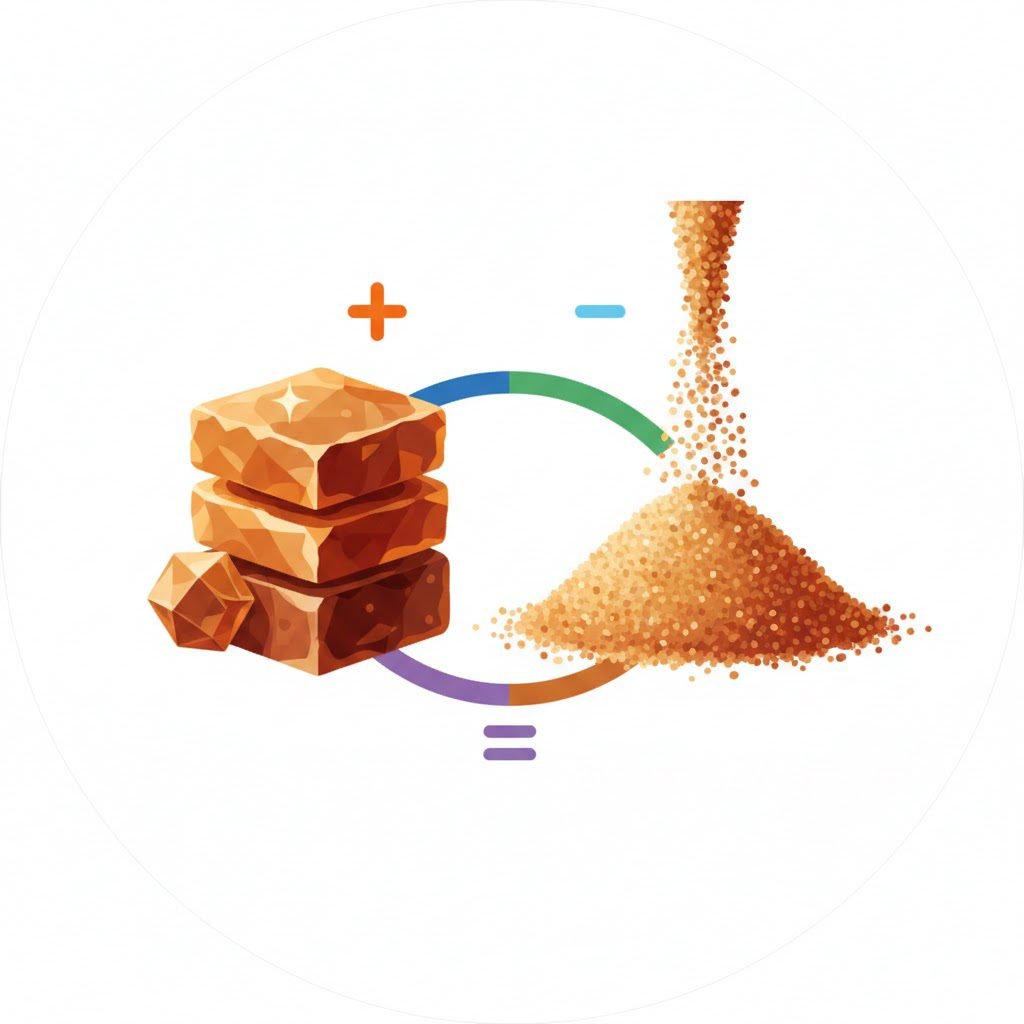
Why Does Brown Sugar Weight Vary?
Brown sugar isn’t as straightforward as granulated sugar. Its weight depends on how tightly it’s packed and whether it’s light or dark:
-
Packed brown sugar: Firmly pressed into a cup, tablespoon, or teaspoon. This method gives a higher weight due to density.
-
Loose or spooned sugar: Simply spooned and leveled, resulting in a lighter measurement.
-
Light vs dark brown sugar: Dark brown sugar contains more molasses, making it slightly heavier than light brown sugar.
These variations may seem small, but in baking, 10–20 grams can change the texture or sweetness of your final dish. By calculating precise conversions, this tool removes guesswork.
How Does the Calculator Work?
The Brown Sugar Packed vs Loose Weight Calculator uses standard baking approximations to provide accurate weight conversions. Here’s the logic behind it:
-
Inputs: Users enter the amount, select the unit (cups, tablespoons, or teaspoons), packing method, sugar type (light or dark), and the desired output (grams or ounces).
-
Conversion Formula:
The calculator uses predefined weight per cup values:
-
Cups are directly multiplied by
gramsPerCup. -
Tablespoons are converted using
gramsPerCup / 16. -
Teaspoons use
gramsPerCup / 48.
-
Output: The result is displayed in a highlighted card, showing the equivalent weight in grams or ounces, along with the selected sugar type and packing method.
This ensures realistic and reliable measurements that match professional baking standards.
How Do I Convert Brown Sugar Using the Tool?
Here’s a step-by-step guide with practical examples:
Example 1: 1 Cup of Packed Light Brown Sugar
-
Input:
1 cup,packed,light,grams -
Calculation:
1 × 220 = 220 g -
Output:
220 g
This is perfect when following a cookie or cake recipe that specifies packed sugar.
Example 2: 2 Tablespoons of Loose Dark Brown Sugar
-
Input:
2 tbsp,loose,dark,ounces -
Calculation:
(2 × 185 / 16) ÷ 28.35 ≈ 0.82 oz -
Output:
0.8 oz
This is useful when adjusting smaller quantities or ingredients for tasting portions.
Example 3: 3 Teaspoons of Packed Dark Brown Sugar
-
Input:
3 tsp,packed,dark,grams -
Calculation:
3 × 235 / 48 ≈ 14.7 g -
Output:
15 g
Ideal for frosting, glaze, or coffee recipes where precise sugar weight matters.
These examples demonstrate how the tool eliminates errors caused by volume inconsistencies, making baking more predictable and enjoyable.
When Should I Use Packed vs Loose Measurements?
-
Packed sugar: Use for recipes where texture and sweetness depend heavily on sugar density, like cookies, brownies, or caramel.
-
Loose sugar: Suitable for recipes where minor variations won’t affect the outcome, like oatmeal toppings or some bread doughs.
By using the calculator, you can easily toggle between methods to match the recipe’s requirements.
Tips for Accurate Results
-
Always check whether your recipe specifies packed or loose sugar.
-
Moisture content varies between brands—fresh, soft brown sugar packs better than older, dried sugar.
-
For best precision, weigh your ingredients rather than relying solely on volume. This calculator helps bridge the gap between the two.
Can I Use This Tool for Other Recipes?
Absolutely. The Brown Sugar Packed vs Loose Weight Calculator can help with:
-
Scaling recipes up or down
-
Converting recipes from US to metric measurements
-
Adjusting sugar in beverages, glazes, or spice blends
For broader kitchen conversions, you can explore tools like the Coffee Brew Ratio Calculator or the Macro Split Food Converter.
FAQs About Brown Sugar Weight Conversion
1. Why does packed sugar weigh more than loose sugar?
Packed sugar is firmly pressed into a measuring cup or spoon, increasing density and resulting in more grams per volume.
2. Can I use this calculator for both light and dark brown sugar?
Yes, it accounts for differences in molasses content, giving accurate conversions for both types.
3. Does moisture content affect the calculation?
Slightly. Moisture and brand variations may cause minor differences. For precision baking, weighing ingredients is always recommended.
Conclusion
The Brown Sugar Packed vs Loose Weight Calculator is a reliable, practical tool for bakers of all levels. By converting between volume and weight accurately, it removes guesswork, improves recipe consistency, and saves both time and ingredients. Whether you’re baking cookies, preparing a glaze, or experimenting with dessert recipes, this tool ensures that your brown sugar measurements are precise every time. Try different values, adjust for packed or loose sugar, and watch your recipes turn out perfectly.
For additional kitchen conversions, check out our Flavor Strength Balancer or explore other cooking tools to simplify your culinary workflow.