Top 10 Free Online Dynamics Calculators
Top 10 Free Online Dynamics Calculators – Physics Calculators
Top 10 Free Online Dynamics Calculators provide an excellent resource for learners, engineers, and enthusiasts to perform accurate and fast calculations related to forces, motion, and energy. Dynamics is a core part of physics and engineering, focusing on how forces affect the motion of objects. Whether you are analyzing vehicle collisions, studying Newton’s laws, or calculating bullet trajectories, these free online dynamics calculators make complex computations simple and practical.
Students often struggle with applying formulas in real-life scenarios, and manual calculations can be time-consuming and prone to errors. These tools bridge that gap, offering precise results while helping learners understand the principles behind each calculation. Moreover, the calculators are designed for ease of use, making them suitable for classroom assignments, project work, and professional engineering analysis.

1. Bullet Energy Calculator
Calculating the kinetic energy of a projectile is essential for understanding ballistic dynamics. The Bullet Energy Calculator allows students to determine the energy of a bullet using the formula:
E = 1/2 * m * v^2
Where m is mass and v is velocity.
Example: A 10-gram bullet traveling at 400 m/s has a kinetic energy of E = 1/2 * 0.01 * 400^2 = 800 J.
This tool is perfect for students studying firearm ballistics or projectile motion. Learn more about the Bullet Energy Calculator for precise calculations.

2. Recoil Energy Calculator
Managing recoil is critical in firearms safety and design. The Recoil Energy Calculator helps determine the backward force experienced when a gun is fired, using:
E_recoil = (m_bullet * v_bullet + m_gas * v_gas)^2 / (2 * m_gun)
Example: For a rifle weighing 4 kg, firing a 10-gram bullet at 400 m/s, the recoil energy can be calculated efficiently.
This tool is invaluable for students and engineers interested in firearm dynamics. Explore the Recoil Energy Calculator for more accurate computations.

3. Acceleration Calculator
Acceleration is a fundamental concept in dynamics. The Acceleration Calculator allows students to compute acceleration using:
a = Δv / Δt
Or, when force and mass are known:
a = F / m
Example: A car increases its speed from 0 to 20 m/s in 5 seconds. Acceleration = 20 / 5 = 4 m/s².
This calculator is useful for analyzing vehicle motion, robotics, and other physics experiments. Check the Acceleration Calculator for practical applications.

4. Newton’s Second Law Calculator
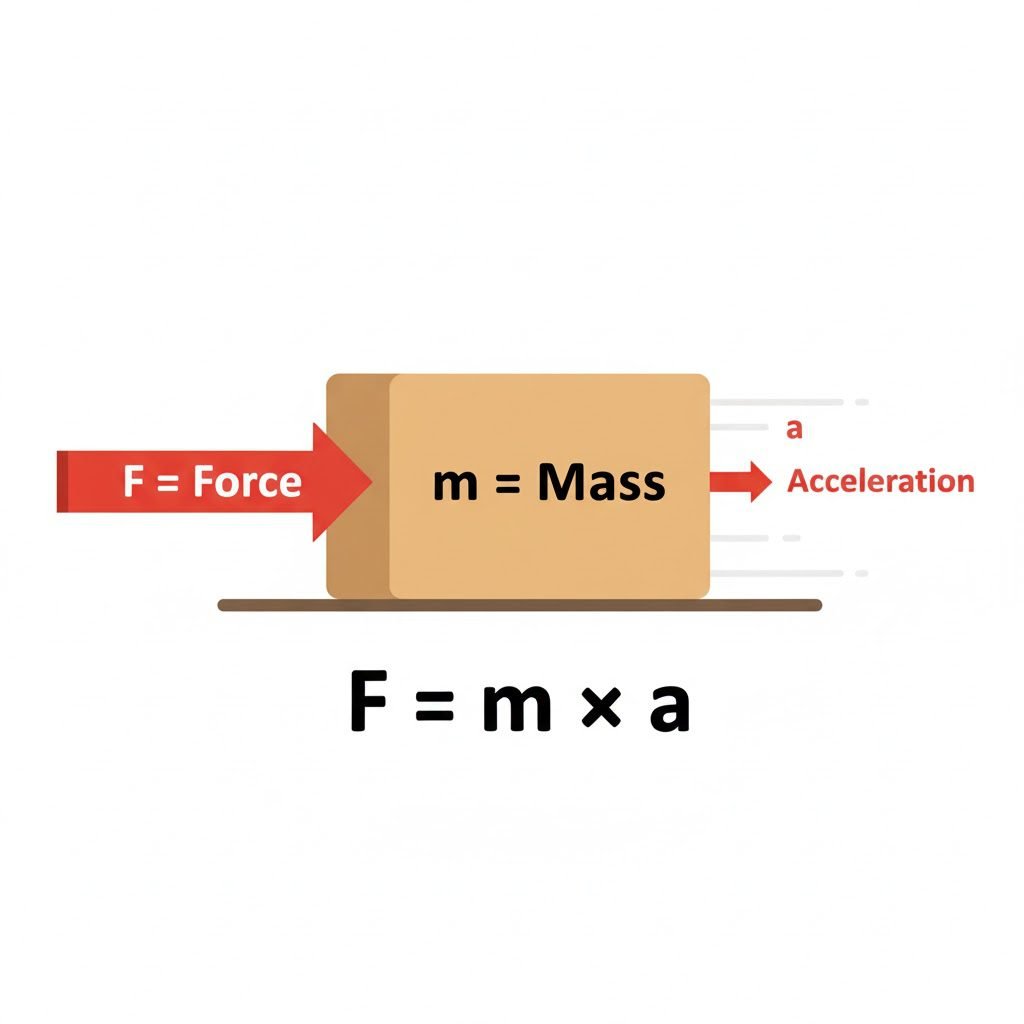
Understanding net forces is essential in dynamics. Newton’s second law, F = m * a, is a cornerstone principle. The Newton’s Second Law Calculator enables students to solve for force, mass, or acceleration effortlessly.
Example: A 50 kg object accelerates at 2 m/s². The force applied = 50 * 2 = 100 N.
This calculator is crucial for engineering dynamics problems. Access the Newton’s Second Law Calculator for accurate force calculations.
5. Net Force Calculator
Multiple forces can act on an object simultaneously. The Net Force Calculator determines the overall force by combining vector quantities:
F_net = √(ΣF_x² + ΣF_y²)
Example: A box experiences 10 N east and 6 N north. Net force = √(10² + 6²) ≈ 11.66 N.
This calculator is ideal for students learning vector addition in physics. Try the Net Force Calculator for real-world scenarios.

6. Normal Force Calculator
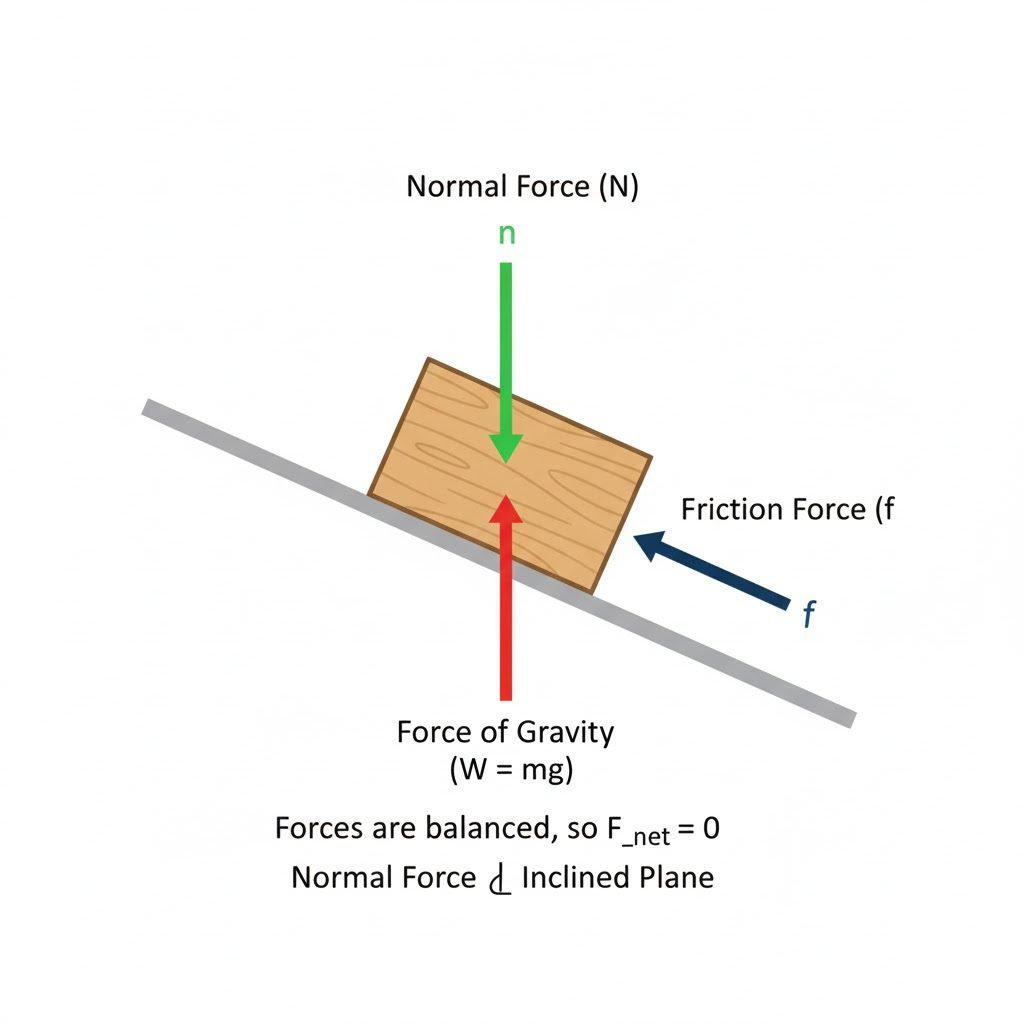
The Normal Force Calculator calculates the support force exerted by a surface. On an inclined plane:
F_normal = m * g * cos(θ)
Example: A 20 kg object on a 30° incline has F_normal = 20 * 9.8 * cos(30) ≈ 169.7 N.
This is essential for understanding friction, load distribution, and stability in engineering applications. Visit the Normal Force Calculator to perform accurate computations.
7. Gravitational Force Calculator
Newton’s universal law of gravitation defines the force between two masses:
F = G * (m1 * m2) / r²
Example: Two 1000 kg masses 5 m apart exert F = 6.674×10^-11 * (1000 * 1000) / 5² ≈ 2.67×10^-6 N.
This tool is excellent for astrophysics students or anyone exploring orbital dynamics. Learn more at the Gravitational Force Calculator.

8. Stopping Distance Calculator
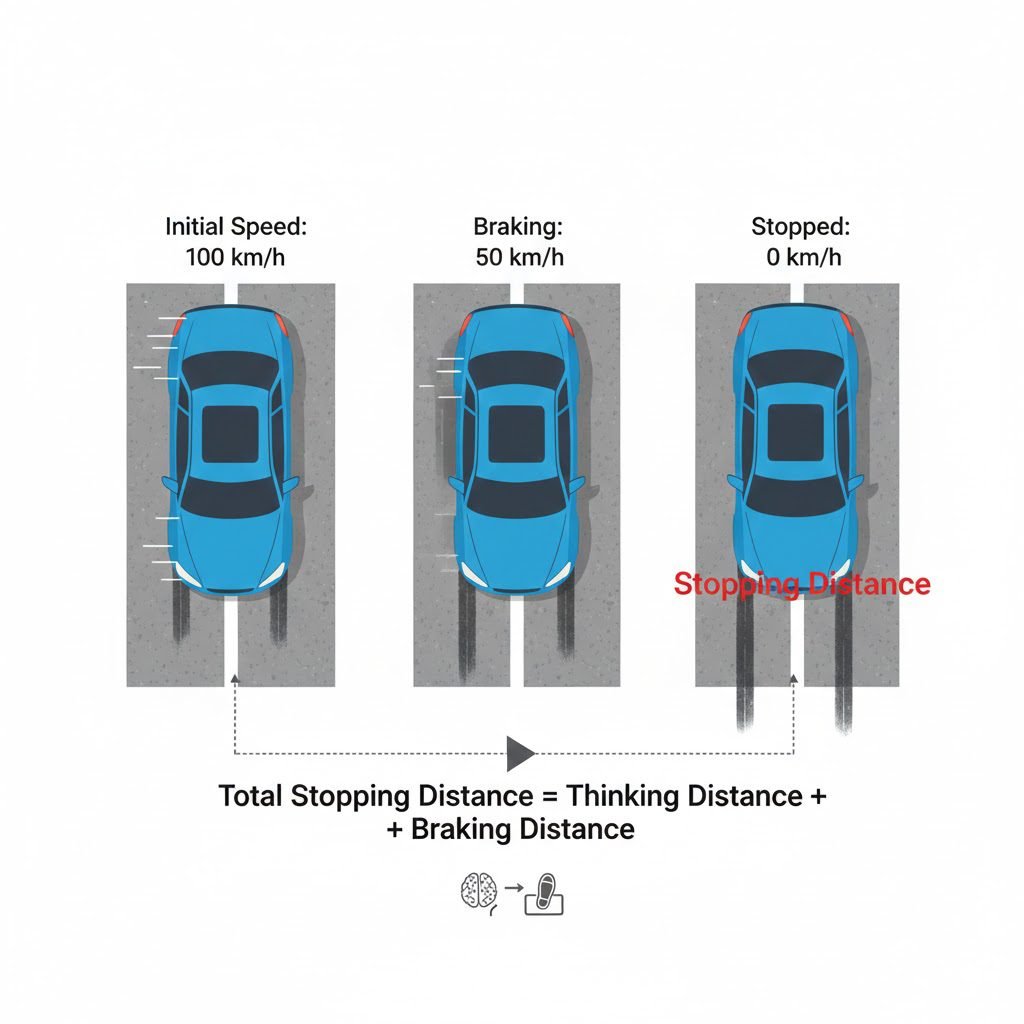
Vehicle safety analysis relies on stopping distance. The Stopping Distance Calculator considers speed, friction, and reaction time:
d_total = d_reaction + d_braking
Example: A car traveling at 60 km/h with a reaction time of 1.5 s and friction coefficient 0.7 has d_total ≈ 38 m.
This is crucial for transportation engineering students. Use the Stopping Distance Calculator for practical road safety studies.
9. Car Crash Impact Calculator
Analyzing collision forces helps in vehicle safety design. The Car Crash Impact Calculator computes impact using:
F_impact = Δp / Δt
Where Δp is the change in momentum.
Example: A 1000 kg car decelerates from 20 m/s to 0 in 0.5 s. Impact force = (1000*20)/0.5 = 40000 N.
Students studying automotive engineering can leverage the Car Crash Impact Calculator for detailed analysis.

10. Force Calculator
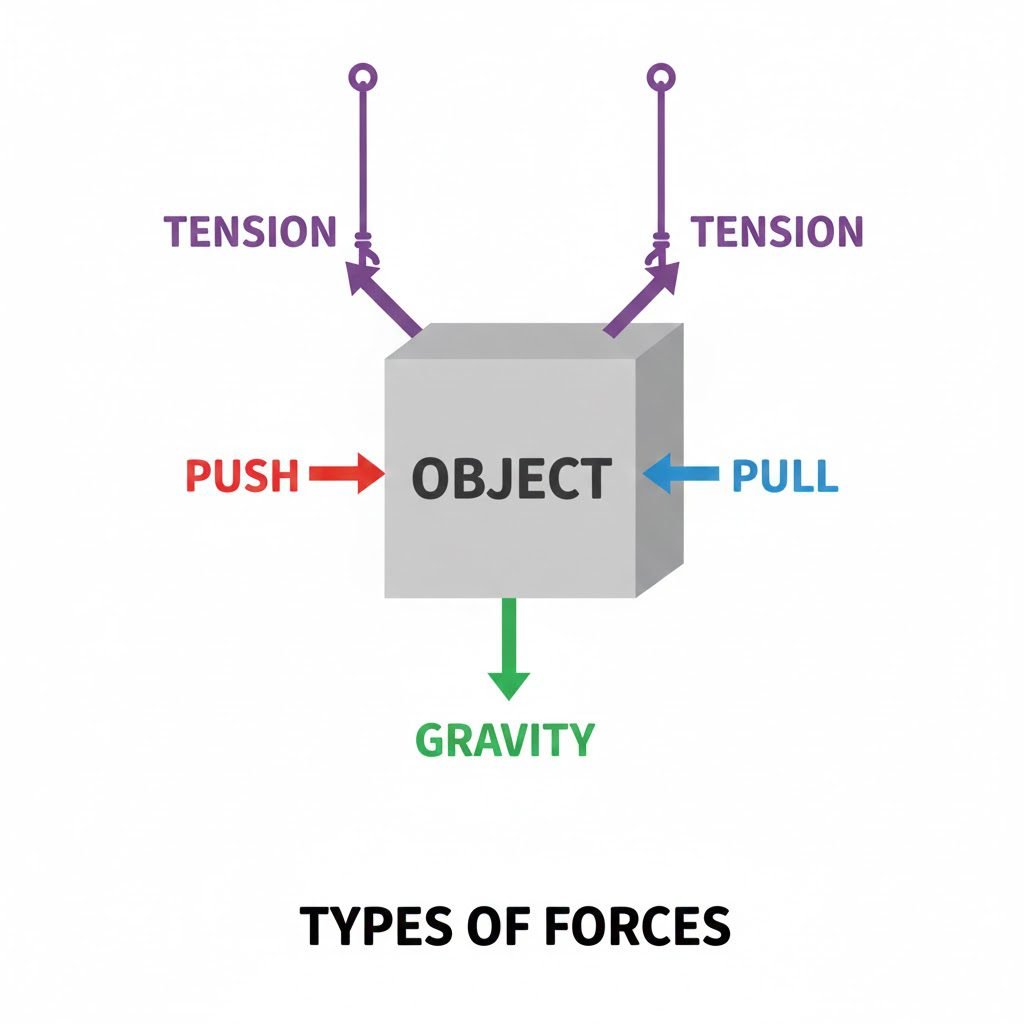
A versatile tool, the Force Calculator handles different dynamics problems, from spring force to tension:
F = k * x (Hooke’s law for springs)F = m * a (Newton’s law)
Example: A spring with k = 200 N/m stretched by 0.1 m exerts F = 20 N.
This is essential for physics students and engineering professionals. Explore the Force Calculator for comprehensive force calculations.
Practical Applications and Real-World Examples
These online dynamics calculation tools are not only academic aids but have real-world significance:
-
Ballistics: Using the Bullet Energy Calculator, law enforcement and forensic experts analyze trajectories.
-
Automotive Engineering: Stopping Distance and Car Crash Impact Calculators help design safer vehicles.
-
Structural Engineering: Normal Force Calculator and Net Force Calculator assist in evaluating load-bearing structures.
Using these tools, students save time, reduce errors, and deepen conceptual understanding of physics dynamics calculators for students.
FAQs
Which dynamics calculator is best for students learning Newton’s laws?
The Newton’s Second Law Calculator is ideal for beginners, offering clear computation for force, mass, and acceleration scenarios.
Are these calculators free to use?
Yes, all calculators on Ahmad Free Tools are completely free, providing accurate results without hidden charges.
Can I use these tools for engineering projects?
Absolutely. These engineering dynamics calculators are suitable for academic assignments and professional simulations.
Conclusion
Physics Dynamics Calculators for Students are essential tools for anyone looking to understand forces, motion, and real-world dynamics. These calculators simplify complex equations, provide instant results, and enhance learning through practical examples. By using these free resources, students and professionals can save time, ensure accuracy, and apply physics concepts confidently in academics and real-world projects.
Explore the full collection of online dynamics calculation tools and elevate your understanding of motion, force, and energy today.