Top 10 Free Online Astrophysics Calculators for Students
Top 10 Free Online Astrophysics Calculators for Students
Astrophysics can often seem complex and daunting, especially when dealing with cosmic distances, black holes, or stellar luminosity. Top 10 Free Online Astrophysics Calculators for Students simplify these concepts, making it easy for learners and enthusiasts to understand the universe through precise calculations. These tools are perfect for students, professionals, and anyone fascinated by space. From measuring the event horizon of a black hole to calculating the expansion of the universe, these calculators provide quick, accurate, and reliable results.
These calculators not only save time but also enhance learning by offering real-time computational examples. Using these tools can deepen your understanding of astrophysics principles while helping you complete assignments, research, or personal curiosity projects efficiently.

1. Schwarzschild Radius Calculator
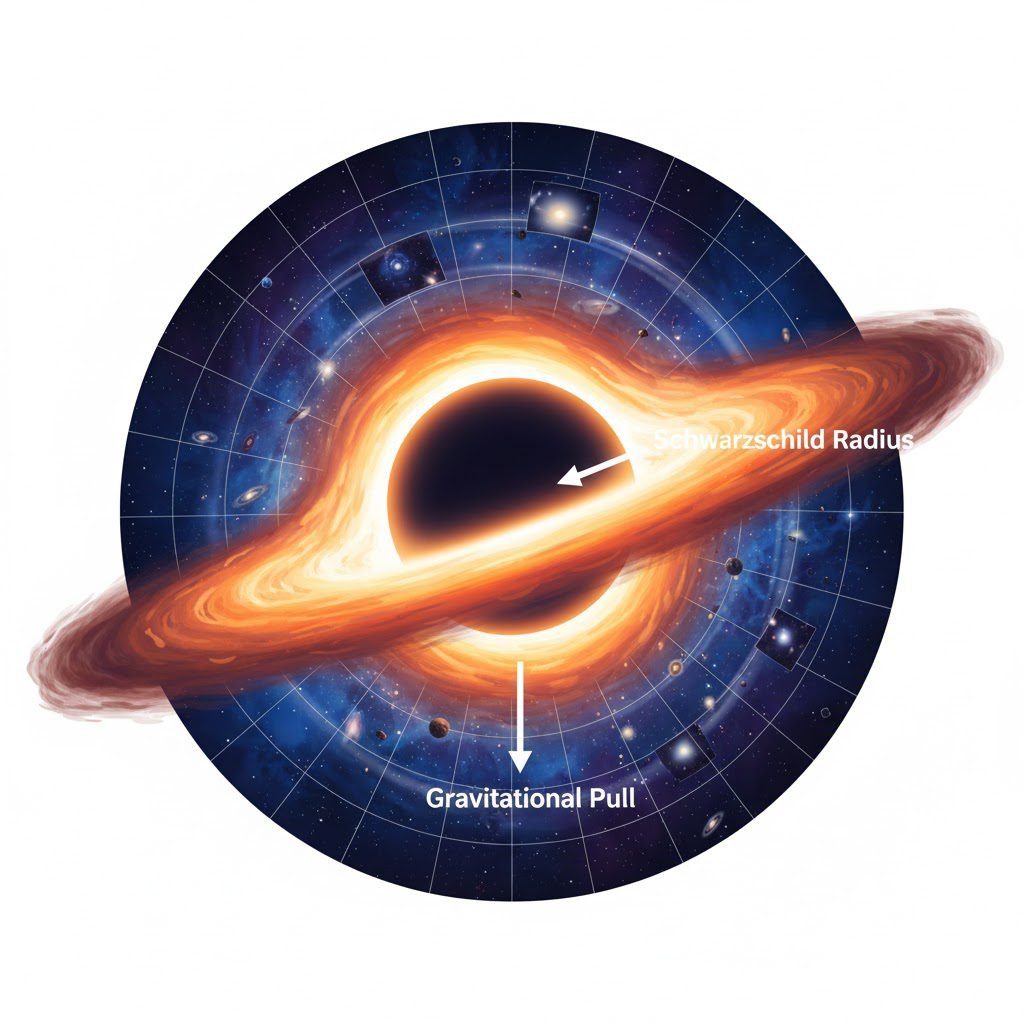
The Schwarzschild Radius Calculator allows users to determine the event horizon of a black hole with ease. This radius defines the boundary beyond which nothing, not even light, can escape a black hole’s gravitational pull.
For example, a black hole with a mass of 10 solar masses has a Schwarzschild radius calculated using the formula:R_s = 2GM/c^2
Where G is the gravitational constant, M is the mass of the black hole, and c is the speed of light.
Using the Schwarzschild Radius Calculator, students can quickly calculate event horizons for various black holes, helping them understand gravitational effects in real-world astrophysical scenarios.
2. Black Hole Collision Calculator
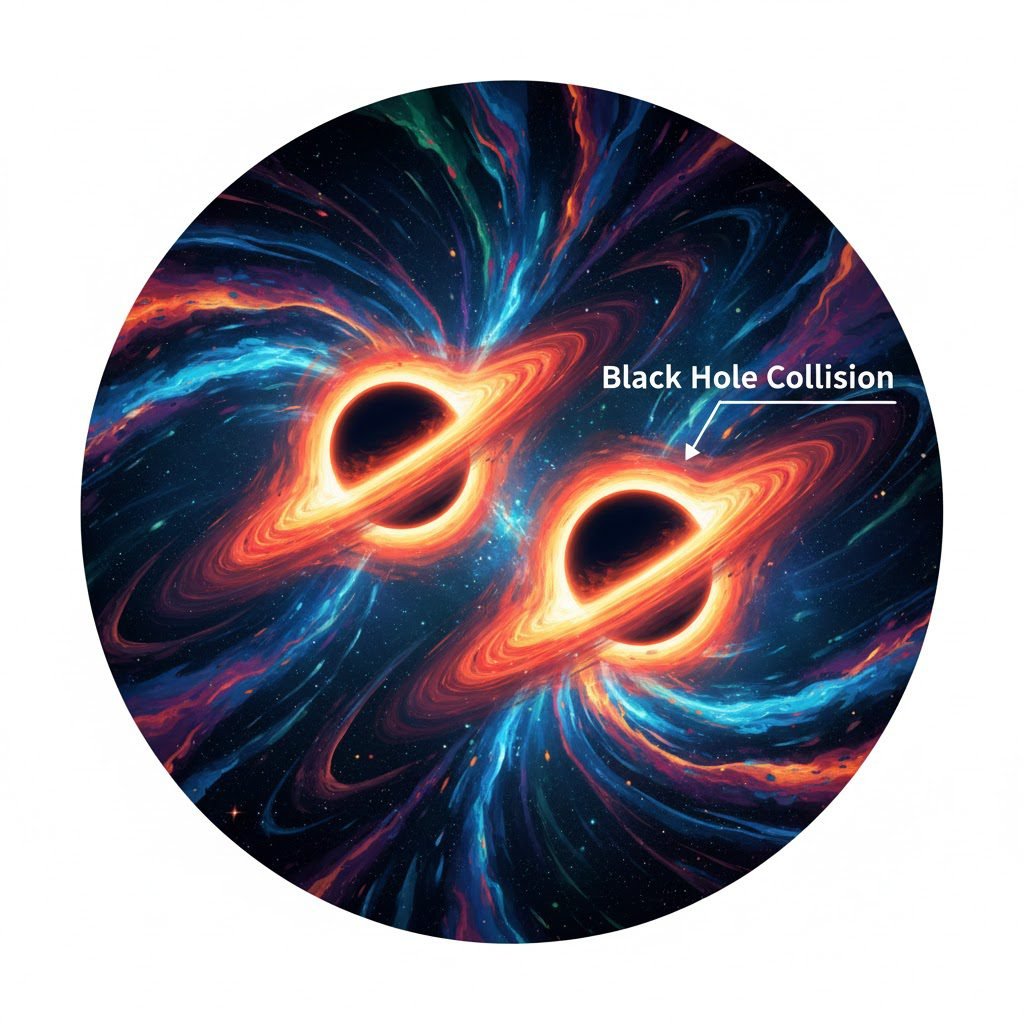
Understanding binary black hole collisions is crucial for predicting gravitational wave signals. The Black Hole Collision Calculator simulates the complex interactions between two black holes, providing insights into their trajectories, mass exchange, and potential merger outcomes.
For instance, collisions of black holes with masses 15 and 20 solar masses can be analyzed for energy emission, gravitational waves, and resulting black hole properties. Explore real-time scenarios using the Black Hole Collision Calculator, which offers intuitive input fields for students to experiment with variables safely.
3. Black Hole Temperature Calculator
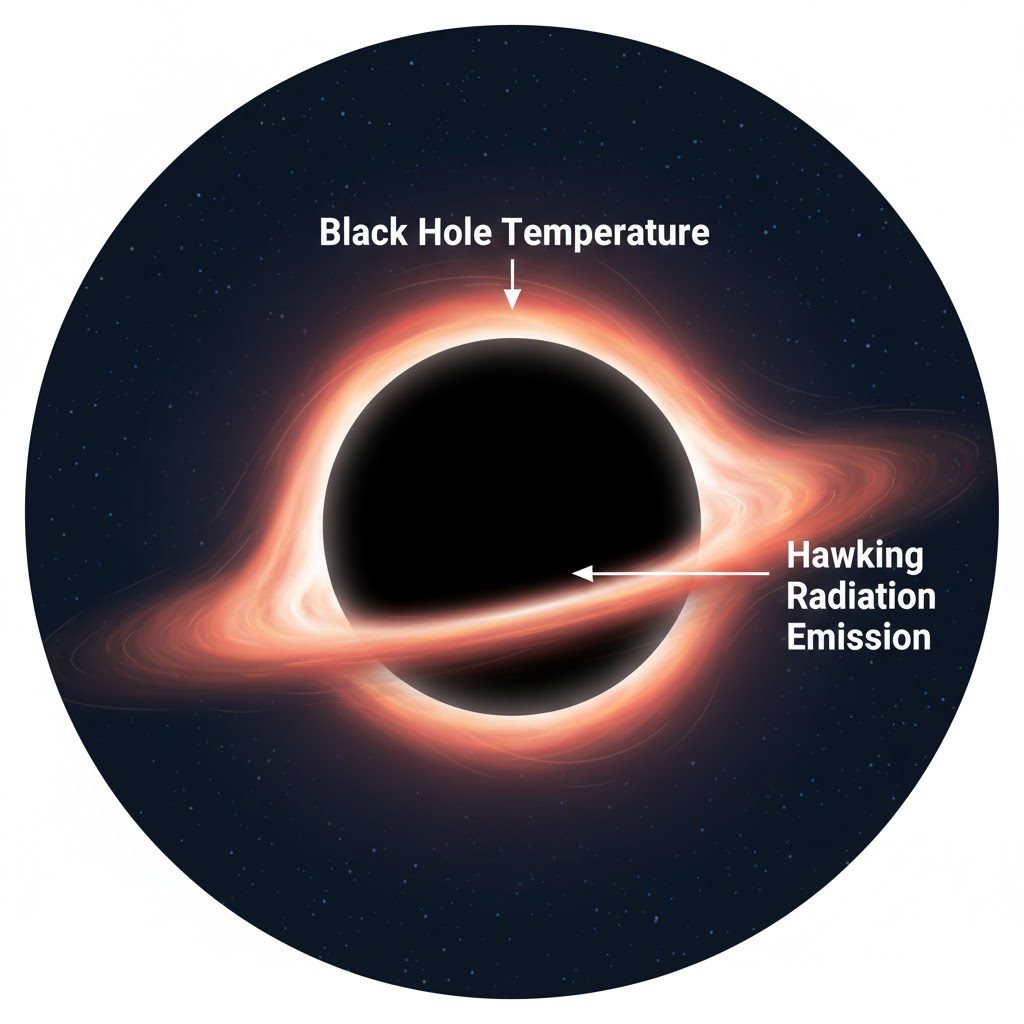
The Black Hole Temperature Calculator helps estimate the Hawking radiation emitted by black holes. Using the formula:T = ħc^3 / (8πGMk_B)
where ħ is the reduced Planck constant, k_B is Boltzmann’s constant, and M is the black hole’s mass, students can calculate temperature accurately.
For example, a black hole with a mass similar to the Sun will have an extremely low temperature near 10^-8 K. Using the Black Hole Temperature Calculator allows learners to understand quantum effects in astrophysics practically.
4. Drake Equation Calculator
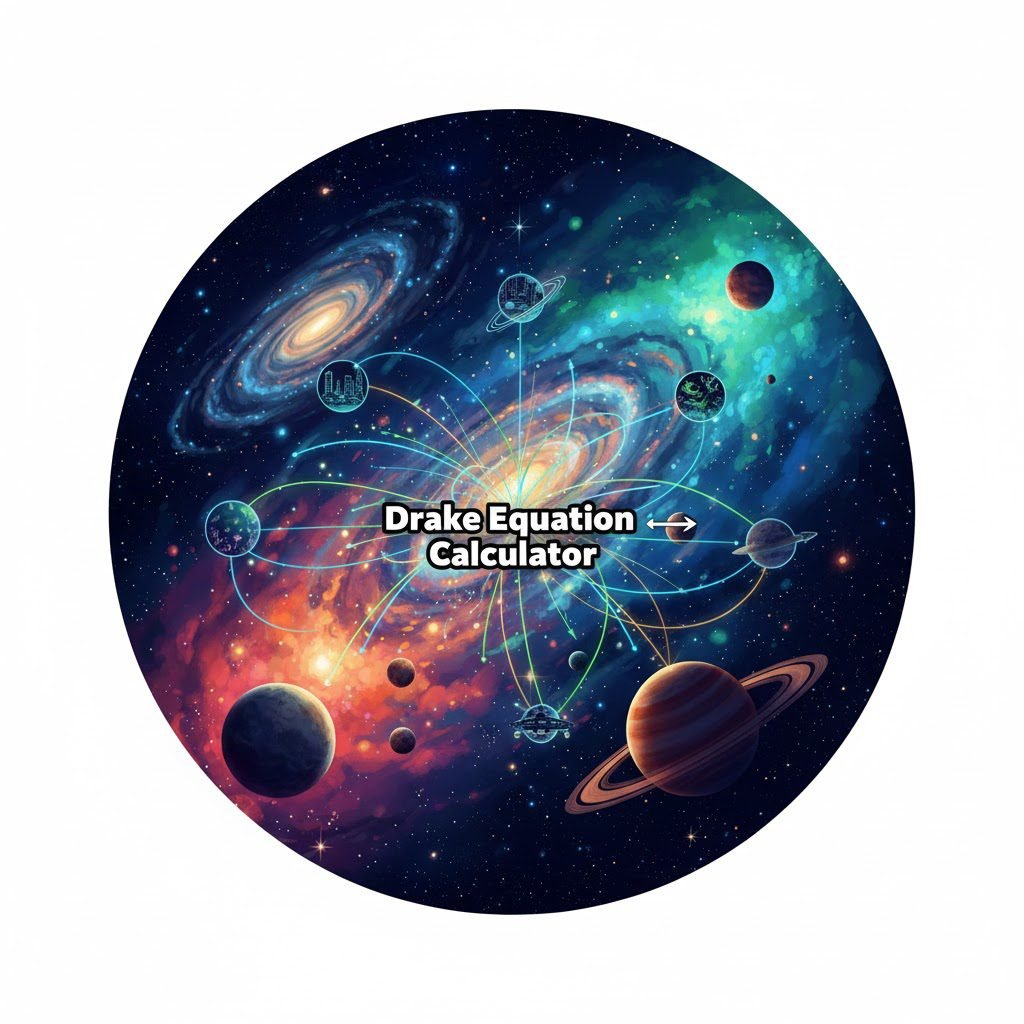
The Drake Equation Calculator estimates the number of active extraterrestrial civilizations in our galaxy. The formula considers factors like star formation rate, fraction of stars with planets, and likelihood of life development:N = R* × fp × ne × fl × fi × fc × L
Students can experiment with hypothetical scenarios, such as increasing the fraction of planets with life-friendly conditions, to predict the prevalence of intelligent civilizations. Try it with the Drake Equation Calculator to explore possibilities beyond Earth.
5. Redshift Calculator
Cosmology relies heavily on redshift measurements to determine how fast celestial objects are moving away. The Redshift Calculator computes this with the formula:z = (λ_observed - λ_emitted) / λ_emitted
For example, a galaxy with a redshift of 0.5 indicates it is moving away at nearly half the speed of light. The Redshift Calculator provides quick insights for students learning about the universe’s expansion.

6. Universe Expansion Calculator
The Universe Expansion Calculator measures how the universe stretches over time, utilizing Hubble’s law and cosmological parameters. By entering the current Hubble constant and distance, learners can understand cosmic expansion rates accurately.
Real-world applications include predicting future positions of galaxies and estimating cosmic timelines. Explore cosmic growth using the Universe Expansion Calculator.

7. Hubble Law Distance Calculator
The Hubble Law Distance Calculator uses the simple relation:v = H_0 × d
to estimate distances to galaxies based on their recession velocities.
For example, a galaxy receding at 70,000 km/s corresponds to a distance of 1 billion light-years with a Hubble constant H_0 = 70 km/s/Mpc. Students can practice practical astrophysics with the Hubble Law Distance Calculator.

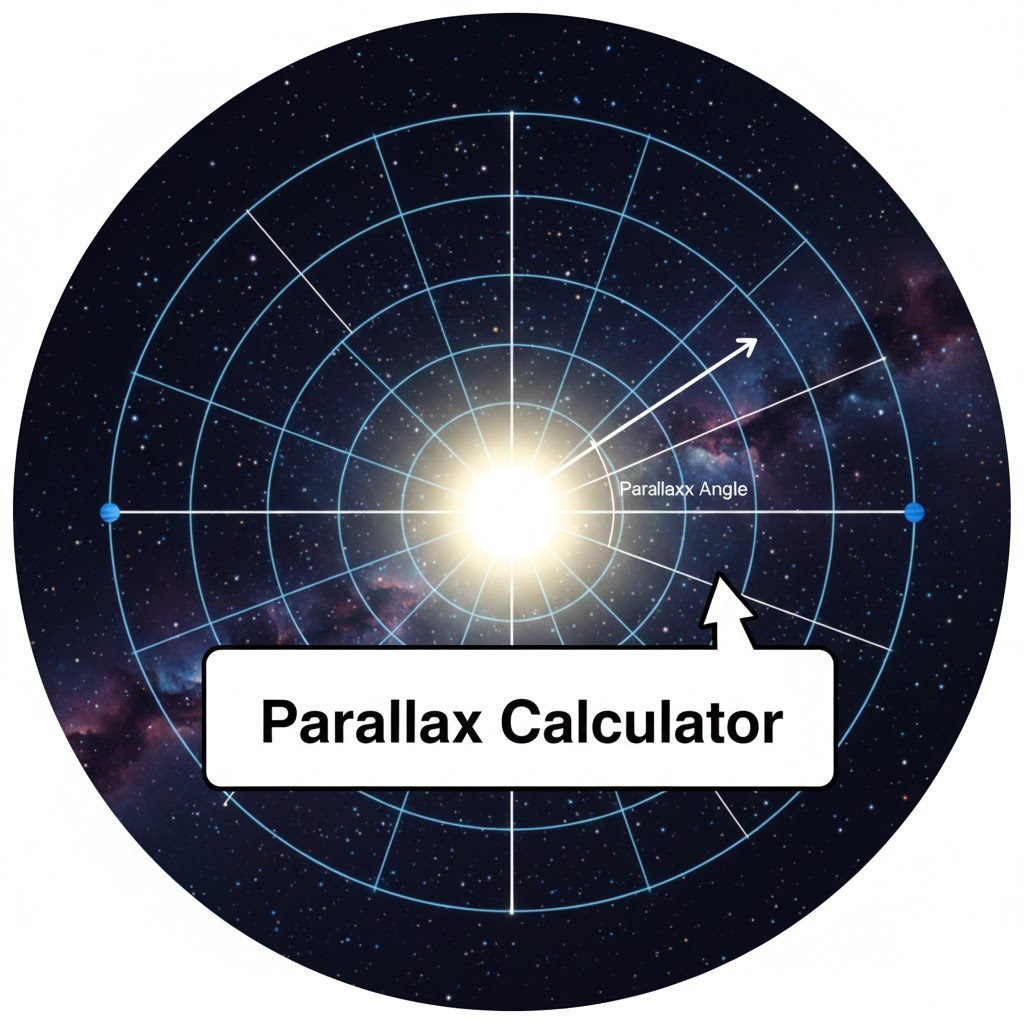
8. Parallax Calculator
Stellar distances are crucial for understanding cosmic structure. The Parallax Calculator measures distances using the formula:d = 1 / p
where p is the parallax angle in arcseconds.
A star with a parallax of 0.1 arcseconds lies 10 parsecs away. The Parallax Calculator offers a hands-on approach to mastering this essential measurement technique.
9. Light Year Calculator
The Light Year Calculator simplifies understanding vast cosmic distances by converting between light years and other distance units.
For instance, the nearest star system, Proxima Centauri, is 4.24 light-years away. Students can calculate travel time for light or spacecraft using the Light Year Calculator.
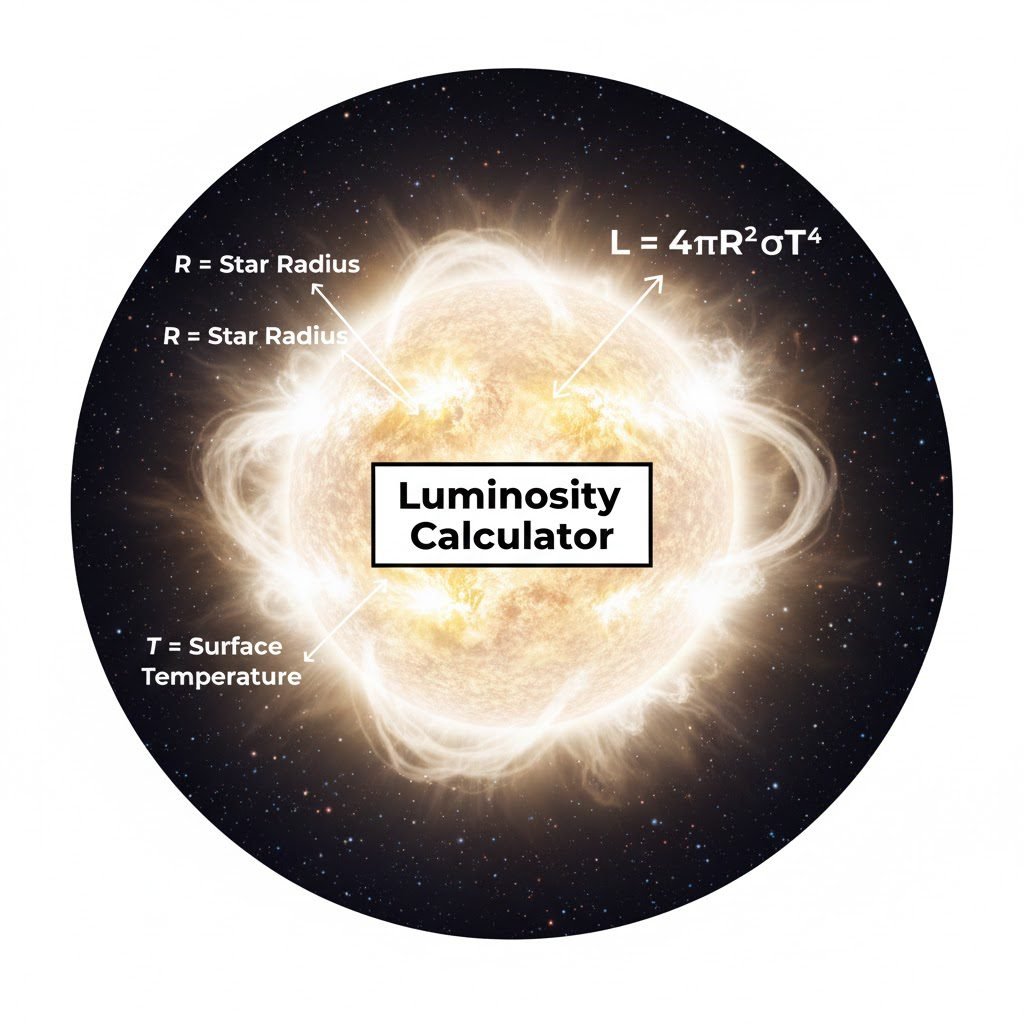
10. Luminosity Calculator
Stellar brightness is key to identifying star types and lifecycle stages. The Luminosity Calculator uses the formula:L = 4πR^2σT^4
where R is the star’s radius, T its surface temperature, and σ the Stefan-Boltzmann constant.
For example, a star with twice the Sun’s radius and similar temperature emits approximately four times the Sun’s energy. Calculate precise stellar luminosities with the Luminosity Calculator to strengthen understanding of stellar physics.
Practical Applications and Real-World Examples
-
Student Research Projects: Using these calculators, students can simulate black hole mergers, calculate the effect of redshift, and predict cosmic expansion without requiring complex software.
-
Professional Astrophysics: Researchers can quickly cross-check calculations for observational data using tools like the Hubble Law Distance Calculator or Parallax Calculator.
-
Education and Outreach: Science educators can create interactive lessons using the Drake Equation Calculator to discuss extraterrestrial civilizations in a fun, engaging way.
These tools provide both learning opportunities and accurate computational support, bridging the gap between theoretical astrophysics and practical application.
FAQs
What are the best free online astrophysics calculators for students?
The Astrophysics Calculators include tools like Schwarzschild Radius Calculator, Black Hole Collision Calculator, and Drake Equation Calculator, covering distances, luminosity, redshift, and more.
Can these calculators be used for research?
Yes, these calculators provide reliable results suitable for homework, simulations, and preliminary research, though professional-grade software may be needed for advanced studies.
Are these tools beginner-friendly?
Absolutely. Each calculator comes with clear input fields, examples, and simple formulas to make complex astrophysical concepts easy to understand for students at all levels.
Conclusion
Exploring the universe has never been easier thanks to Astrophysics Calculators. Whether calculating a black hole’s event horizon, measuring cosmic expansion, or estimating extraterrestrial civilizations, these tools provide accuracy, simplicity, and real-time results. Students, professionals, and enthusiasts can now gain deeper insights into the cosmos, making learning interactive, practical, and exciting.
By using these calculators, learners can not only save time but also strengthen their grasp of astrophysical concepts, making them an essential companion in the journey to understand our universe.